living well with nature
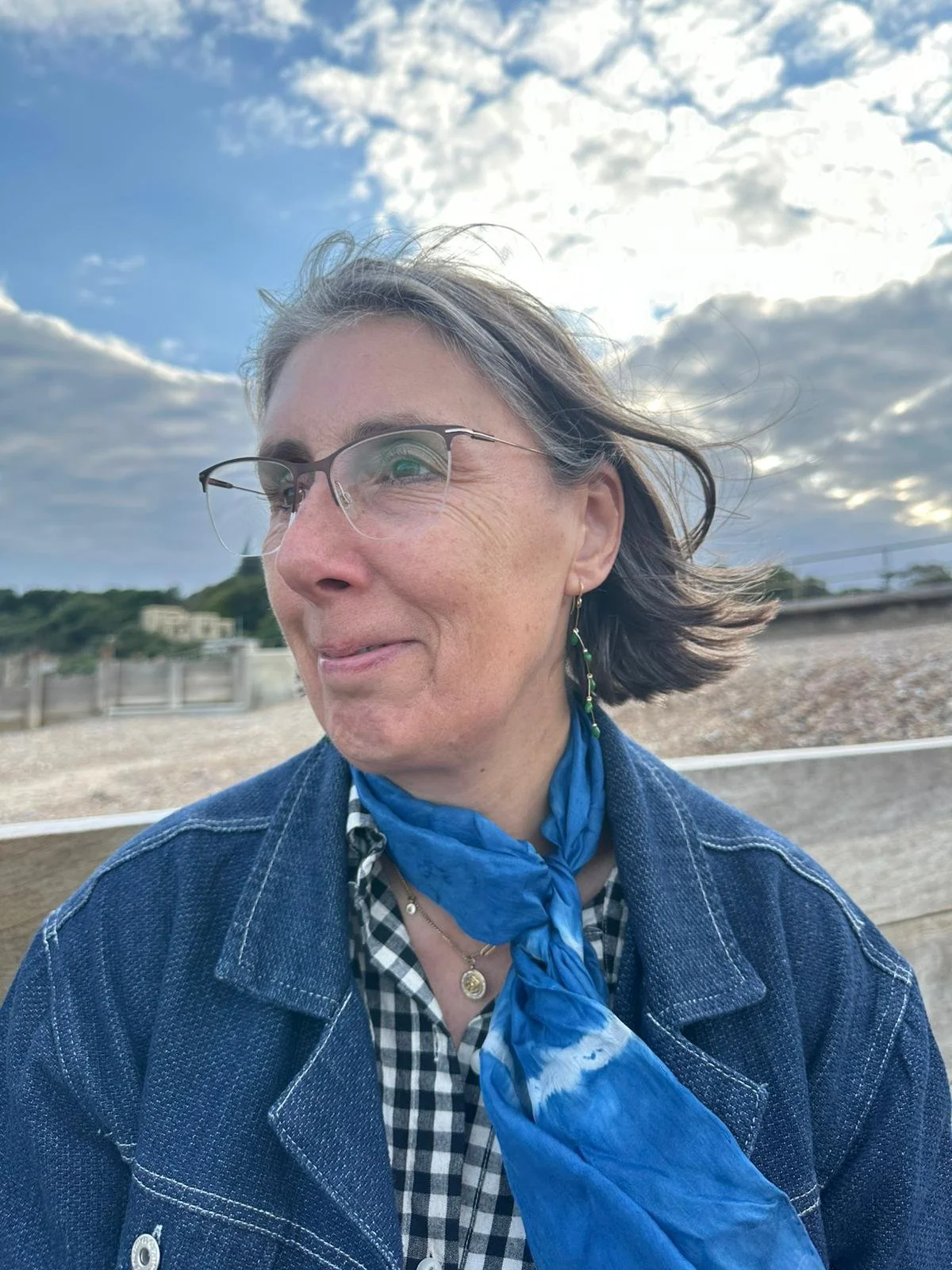
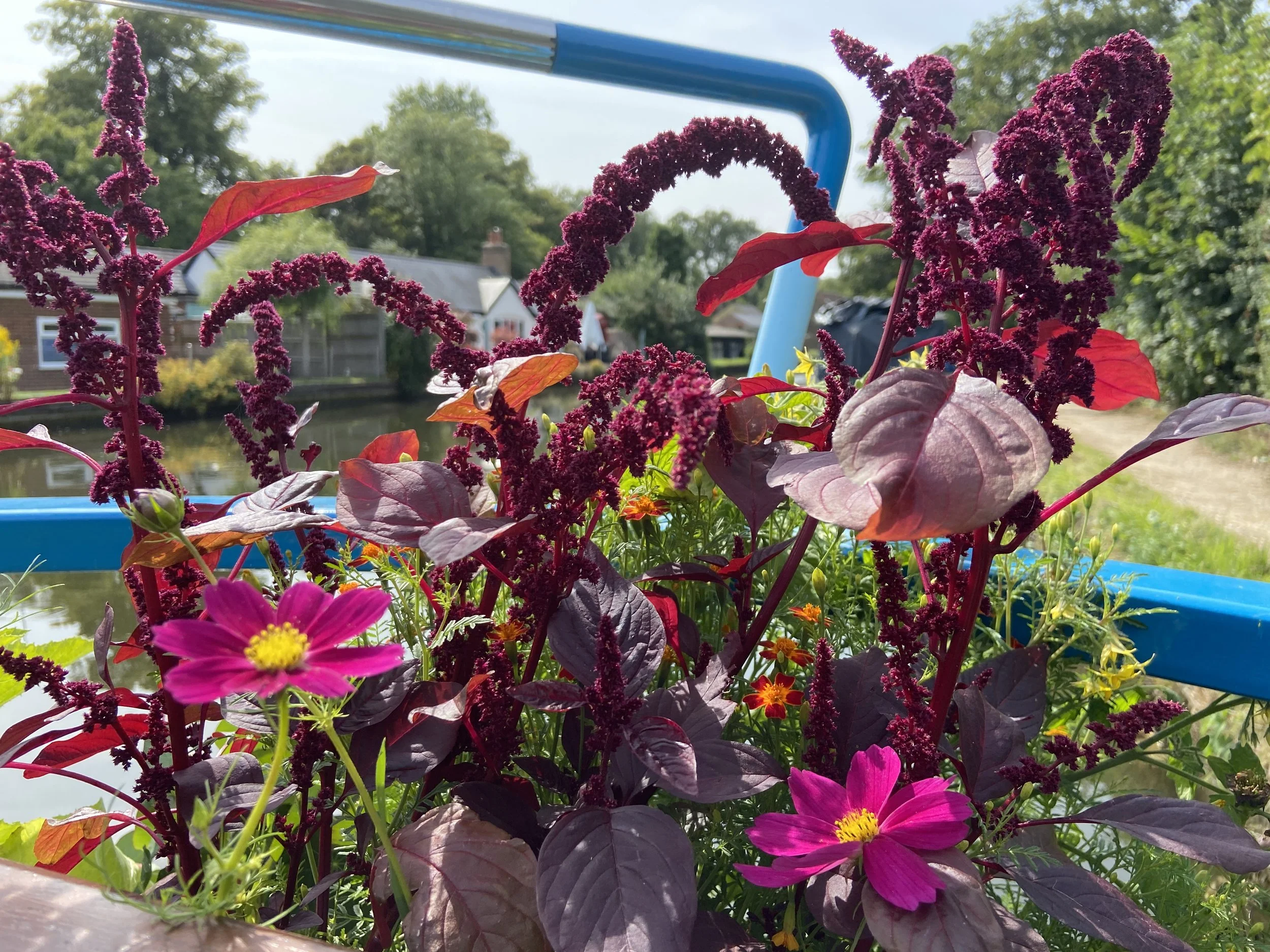
Susannah lives off-grid on a canal boat on the Grand Union canal just outside London with eight quails. She uses plants along the towpath for natural dyes.
Workshops and Talks
I offer workshops and talks for adults and children about organic and permaculture gardening and traditional crafts.
As a seasoned educator and experienced speaker I teach for Permablitz London (where I am a Co-founder/Director) and feature regularly at the London Permaculture Festival, Cecil Sharp House, Capital Growth, Social Farms & Gardens and RHS Urban Show. I’m well-known and connected to London’s community garden scene and I’ve even met King Charles and Queen Consort Camilla when they opened a garden I co-designed in 2022.
I live sustainably on a narrowboat on the Grand Union Canal with my quails and a small garden made of planters created with help through permablitzing.
If you’d like to try something completely different for your hen party, afternoon tea or children’s party (suitable for all ages from 5yrs up) book me to bring a mobile natural dye or felting workshop or design your own session. Available in North West London, Berkhamsted & Hemel Hempstead.
If you want to keep up to date with my latest workshops and courses join my mailing list
LONDON COURSES
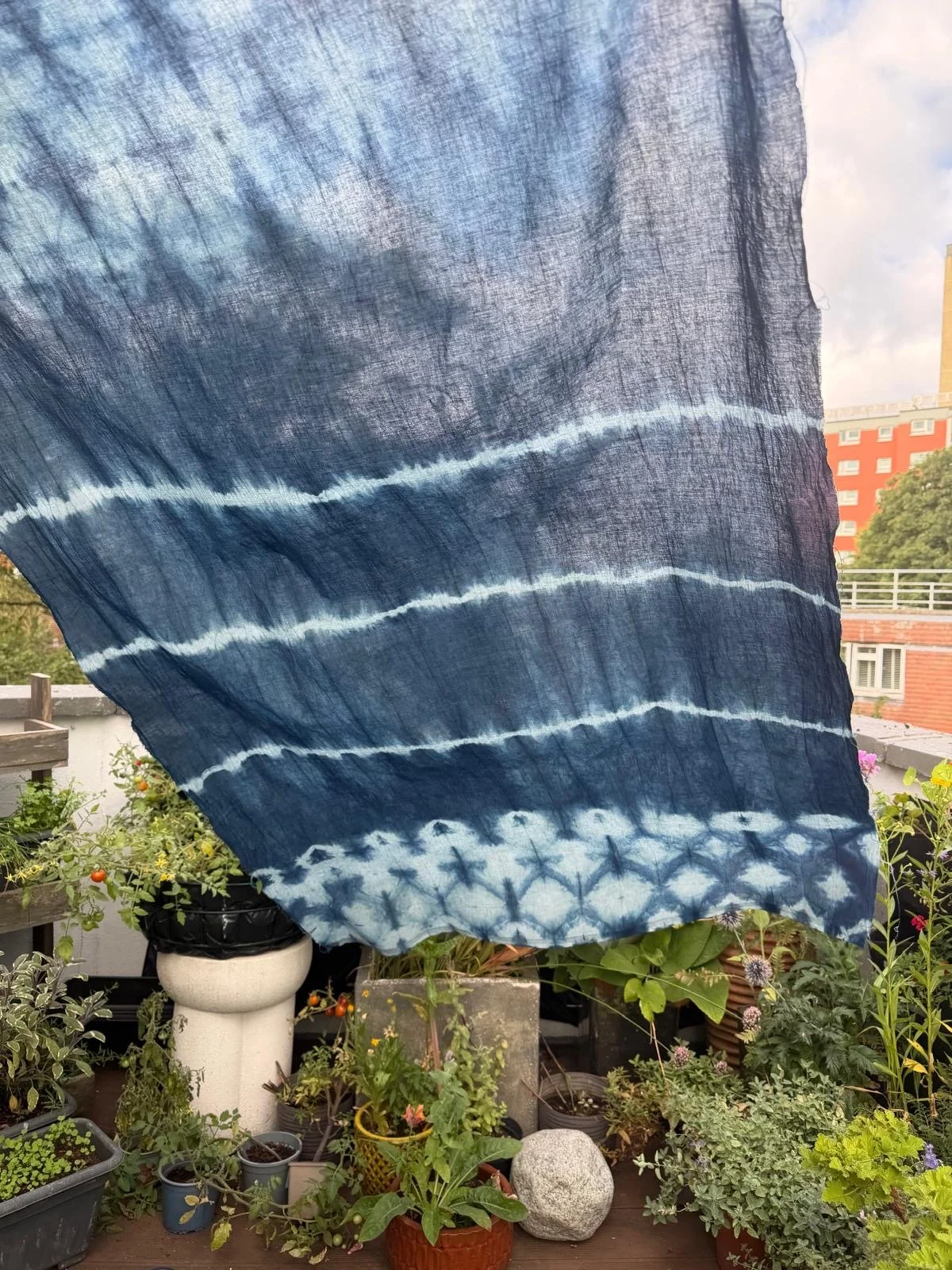
Come and learn about this magical blue dye and have a go at simple shibori techniques applied to a piece of cotton you can take away with you.
We will be using an indigo dye VAT that avoids harsh chemicals and produces strong blue colours that contrast beautifully with the white cotton.
Thursday 15th October 6.30pm-8.30pm
Kentish Town City Farm, NW5 4BN
(closest transport: Gospel Oak (overground), Kentish Town (Northern line and Thameslink)
Saturday 21st-22nd November 2026
10am-4.30pm
Cecil Sharp House, 2 Regent’s Park Road, NW1 7AY
(closest transport: Camden (Northern line) or Camden Road (overground)
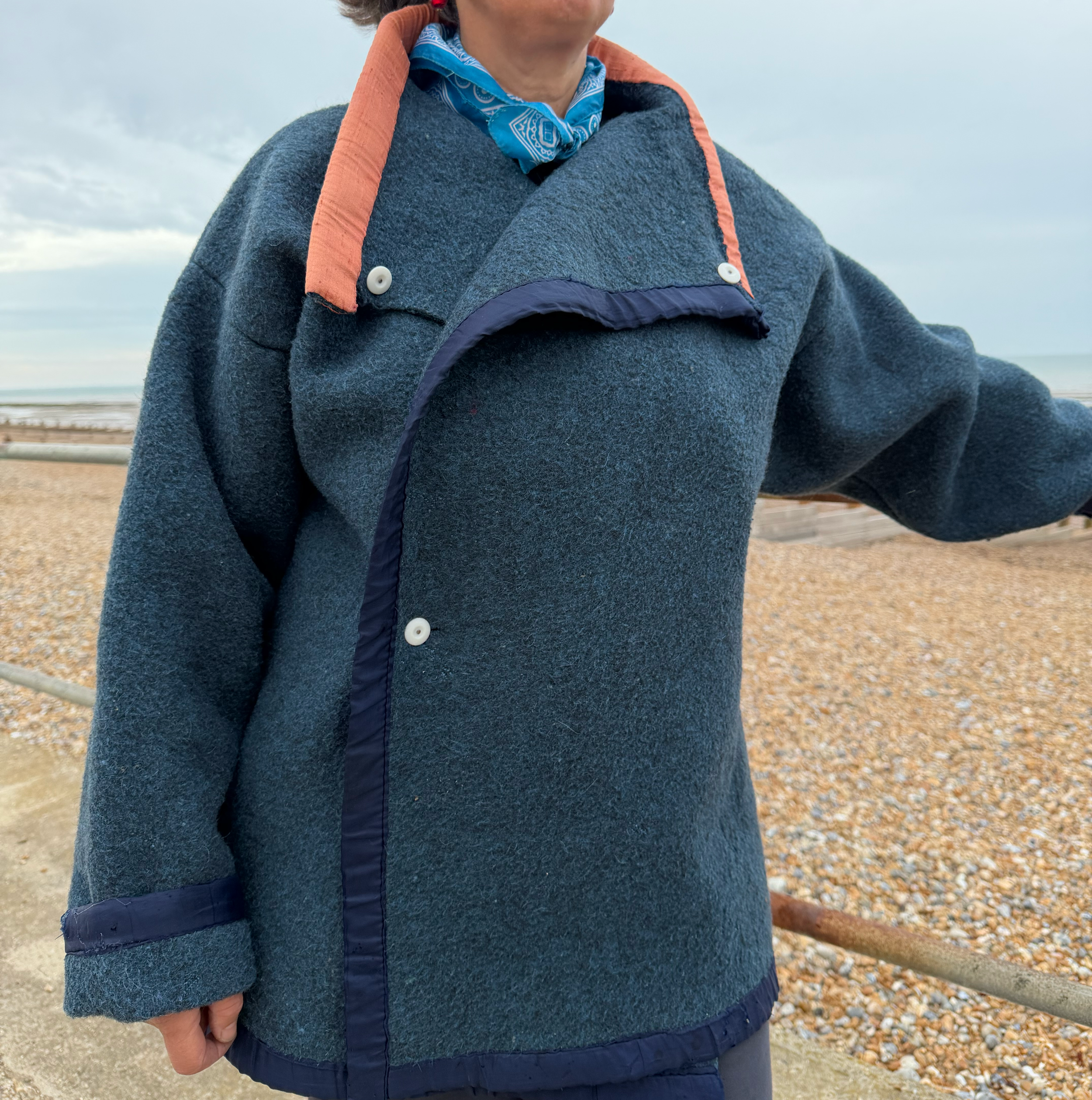
There's something very satisfying about making something you're going to wear from scratch. This workshop teaches you how to do exactly that: to upcycle a woolen blanket to make a coat that will keep you toasty warm during the winter.
You'll learn the whole process: sizing the coat to your own body, cutting it out and then sewing it together by hand. You’ll be able to add finishing touches including buttons (which you could make from felt) and trims (from naturally dyed fabric).
The pictures show a coat I made from an Eastern European army blanket I found in an army surplus store for £30. If you can source a larger blanket you can make a longer coat and add a hood. I live on a narrowboat and this coat keeps out the wind, rain and reliably keeps me warm if I arrive home and the boat is cold. (Capote’s traditionally have a hood but my blanket wasn’t large enough to add one for this.)
Timetable:
Saturday: Decide how to design your coat using the blanket you have and cut it out. Sew the shoulders together, cut out the arms and sew them into the coat.
Sunday: Check the fitting and add the hood and sash. Decide on any trim, buttons and embroidered decorations and apply them.
This is a participatory, hands-on course where you’ll have a chance to learn by doing in a collaborative, fun atmosphere.
What you will need?
Bring a wool blanket that's tightly felted or 'boiled wool. It needs to be dense enough that if you tug a cut edge, the fibers don't pull apart or fray. Avoid loosely woven wool blankets, tartan/plaid throws, or anything you can see individual threads in since those will unravel once cut. You can also bring buttons and other materials you’d like to use to enhance your coat. I’ll also have some stuff! Once you book I’ll send you more details.
Do I need to be able to sew?
You need to have very basic sewing skills only. There is nothing complicated to sew. Good if you can sew a button on, but I can show you how to do that.
What you will take away?
A blanket coat made to your size.
Positive comments about my style of teaching:
“Very clear with good examples and helpful instructions” Joane
“She is very good at both ‘showing’ and ‘telling’, ie she does both in a way that together with repetition, means you remember what she teachers.” Arlène
“Brilliant. Very informed and enjoyed the storytelling aspects. Quickly felt empowered to continue independently.” Olivia
Saturday 21st-22nd November 2026
10am-4pm
Cecil Sharp House, 2 Regent’s Park Road, NW1 7AY
(closest transport: Camden (Northern line) or Camden Road (overground)
There's something very satisfying about making something you're going to wear from scratch. This workshop teaches you how to do exactly that: to upcycle a woollen blanket to make a coat that will keep you toasty warm during the winter.
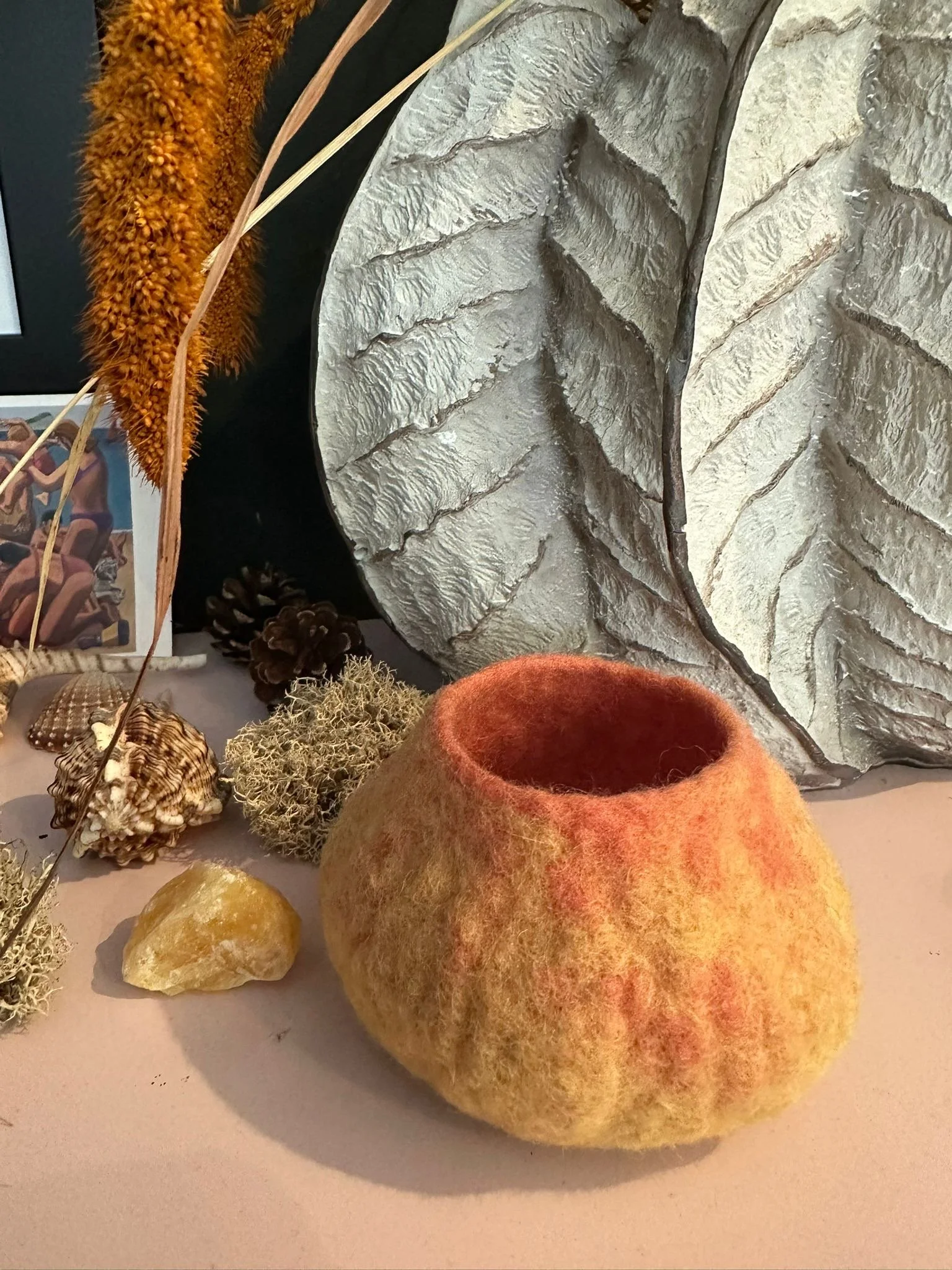
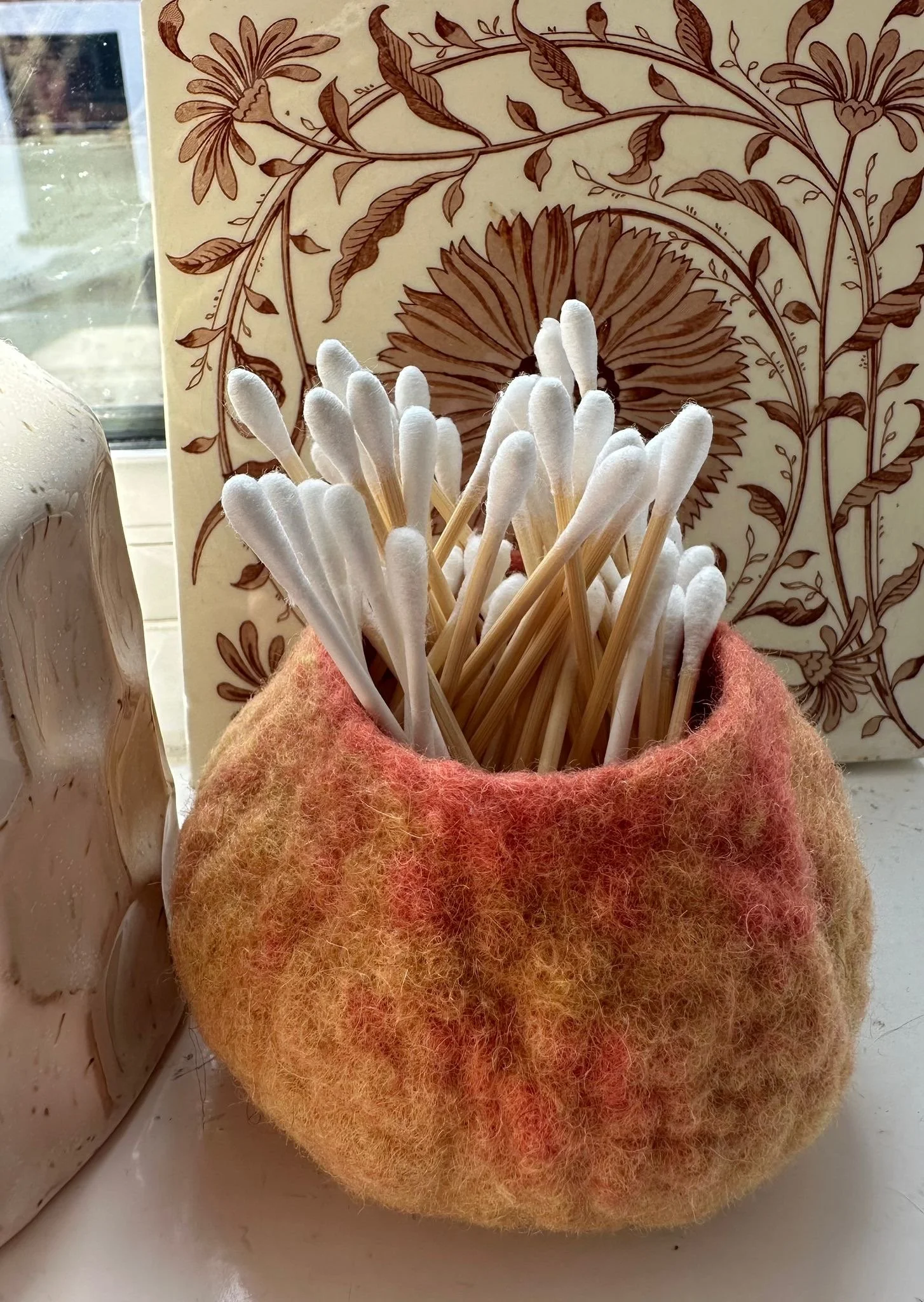
Come and spend an evening turning wool into something beautiful that you've made entirely with your own hands with just water, soap and a bit of rubbing.
Felt is one of the oldest fabrics in the world, and the reason it exists at all comes down to the wool fibre itself: under a microscope, every strand is covered in tiny scales that lock together the moment they're wetted, warmed and worked. Given time and the right technique, this turns loose wool into a dense, tough fabric strong enough to have made rugs, tents, boots, and even armour.
You'll learn the whole process hands-on: laying out the wool and using a 'resist' to shape it into a felt pot. Play with colour by blending different wools together and you'll leave with a one-of-a-kind pot that is ideal for keys, trinkets or a few sprigs of holly: just as nice to give away as to keep for yourself.
No experience needed, and with Christmas approaching it will be a fun evening out a chance to learn something new and a chance to make a handmade gift.
Thursday 5th November 6.30pm-8.30pm
Kentish Town City Farm, NW5 4BN
(closest transport: Gospel Oak (overground), Kentish Town (Northern line and Thameslink)
Thursday 19th November
6.30pm-8.30pm
Kentish Town City Farm, NW5 4BN
(closest transport: Gospel Oak (overground), Kentish Town (Northern line and Thameslink)
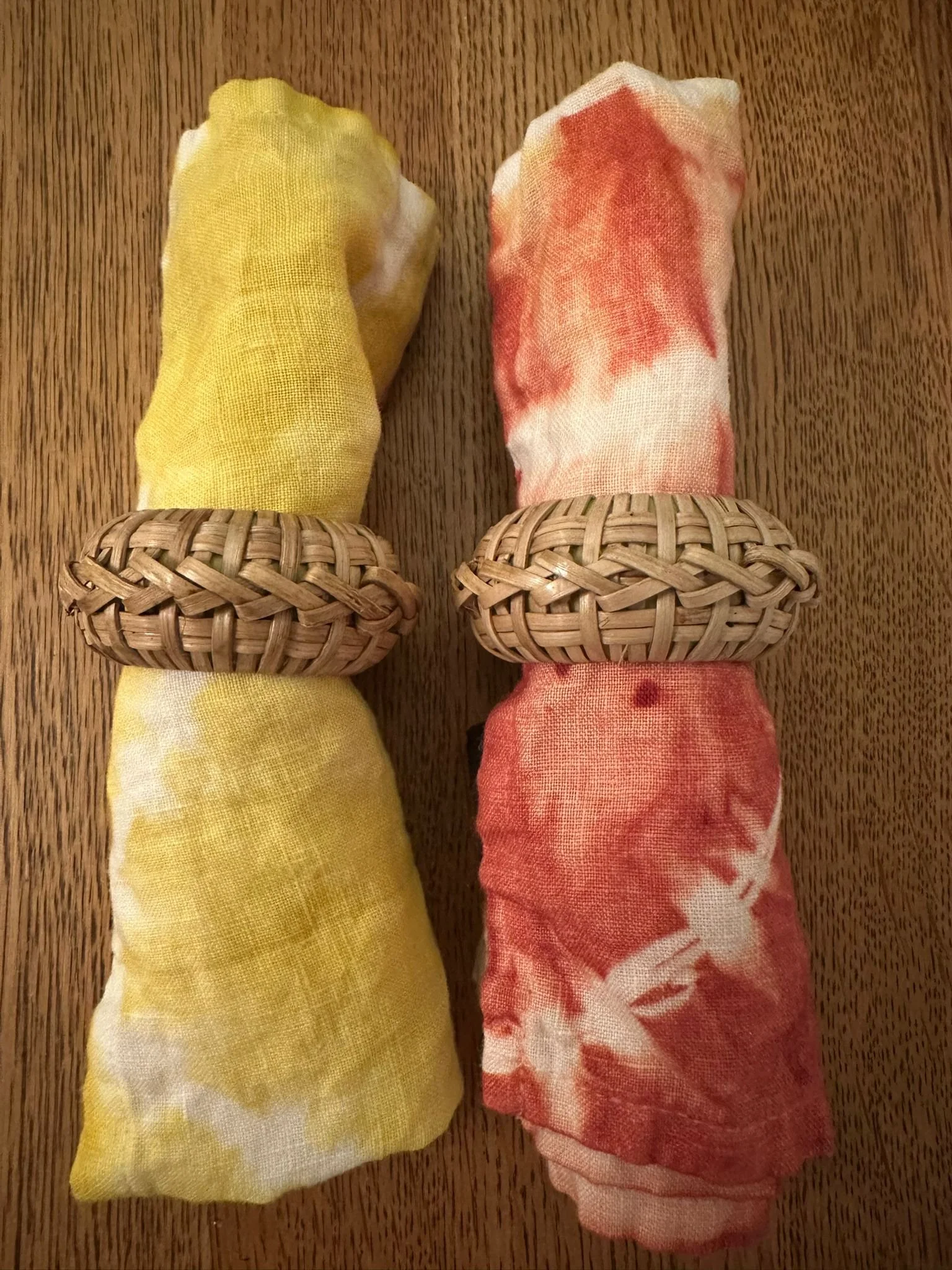
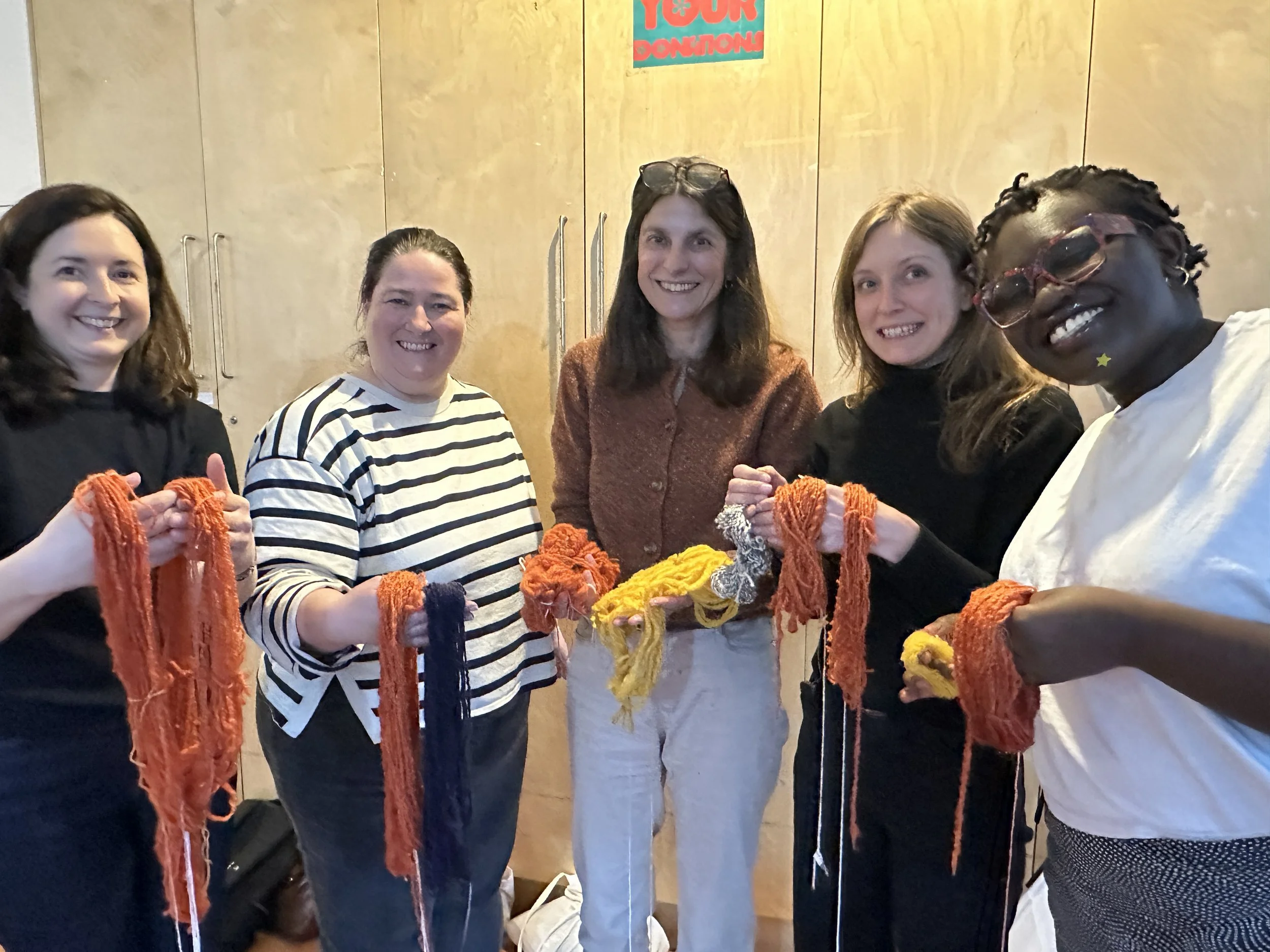
Come along for an evening to make a Christmas present by naturally dyeing a choice of a cushion cover, napkins, scarf, t-towel or a tote bag made from organic cotton. You’ll be able to choose what colour to use to naturally dye your present, create a pattern and if you’d like to, combine colours. There will be dye vats of madder (red), weld (yellow), logwood (deep purple) and indigo.
Indicate in the form what you’d like to dye for your Christmas present (choose one).
Thursday 19th November
6.30pm-8.30pm
Kentish Town City Farm, NW5 4BN
(closest transport: Gospel Oak (overground), Kentish Town (Northern line and Thameslink)
Come along for an evening to make a Christmas present by naturally dyeing a choice of a cushion cover, napkins, scarf, t-towel or a tote bag made from organic cotton.
Thursday 12th November
6.30pm-8.30pm
Kentish Town City Farm, NW5 4BN
(closest transport: Gospel Oak (overground), Kentish Town (Northern line and Thameslink)
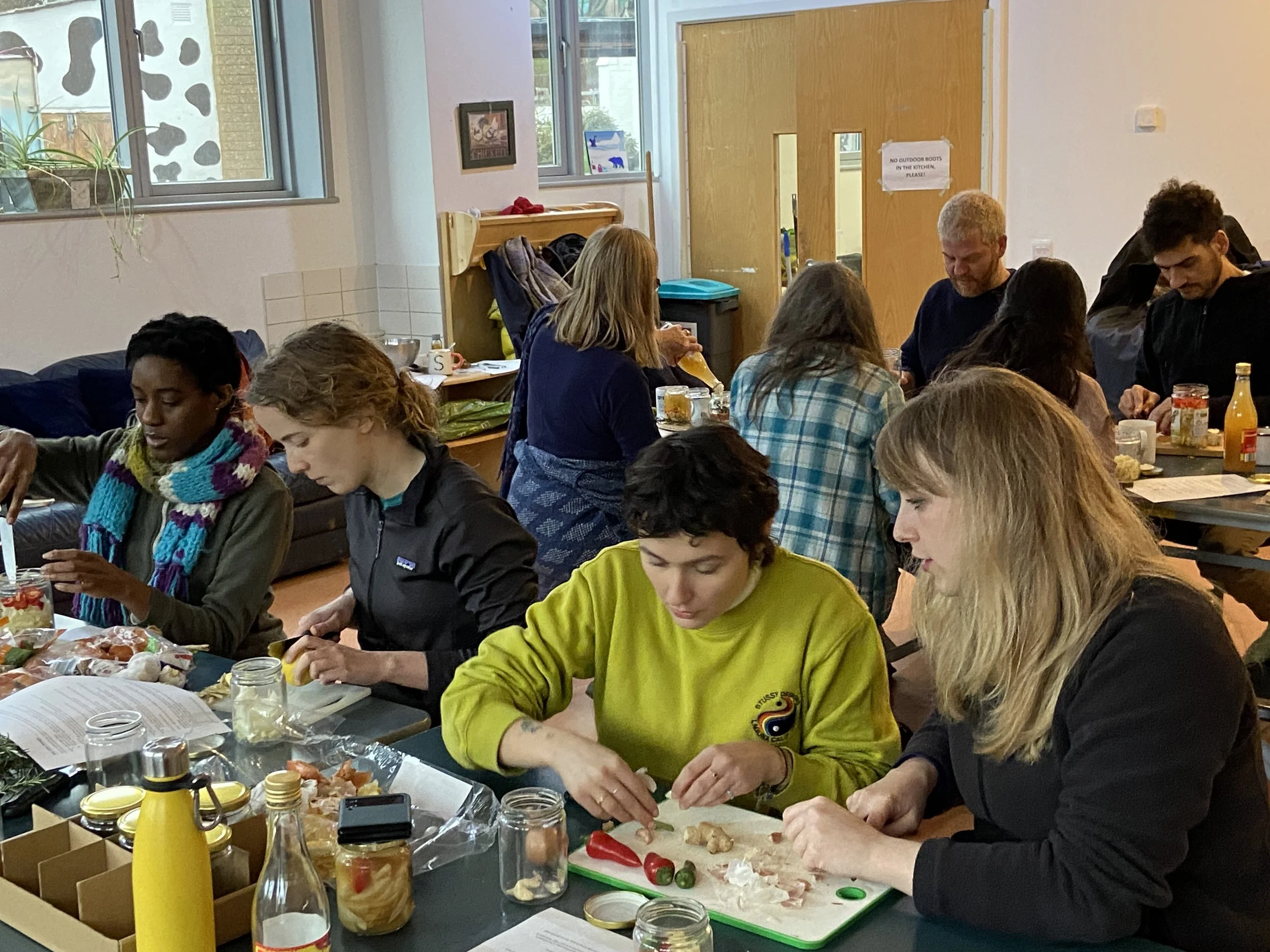
Fire cider is a spicy, warming vinegar tonic steeped in apple cider vinegar and packed with combinations of garlic, onion, ginger, horseradish, hot pepper, and honey, sometimes with turmeric, citrus peel, or other herbs added for good measure. Combining these anti-bacterial and anti-viral ingredients together means many say fire cider vinegar offers immune-boosting benefits through the winter months.
Fire Cider vinegar has its roots in an old lineage of vinegar-based folk medicine but this particular combination of ingredients was developed by herbalist Rosemary Gladstar in the 1970s-80s.
In this workshop you will both learn about the history of vinegar and oxymel herbal remedies; the benefits the ingredients offer and how to make two jars to take home and steep (one to give as a gift for Christmas!).
Feedback from previous courses:
“Very good – super relaxed and friendly while being full of info” – Maz
“Great hands-on learning” – Betty
“Relaxed, informative. Very knowledgeable” – Yvonne
“ Very knowledgeable, always willing to answer questions and very generous with time and materials.” – Sophie
Thursday 12th November 6.30pm-8.30pm
Kentish Town City Farm, NW5 4BN
(closest transport: Gospel Oak (overground), Kentish Town (Northern line and Thameslink)
Thursday 26th November
6.30pm-8.30pm
Kentish Town City Farm, NW5 4BN
(closest transport: Gospel Oak (overground), Kentish Town (Northern line and Thameslink)
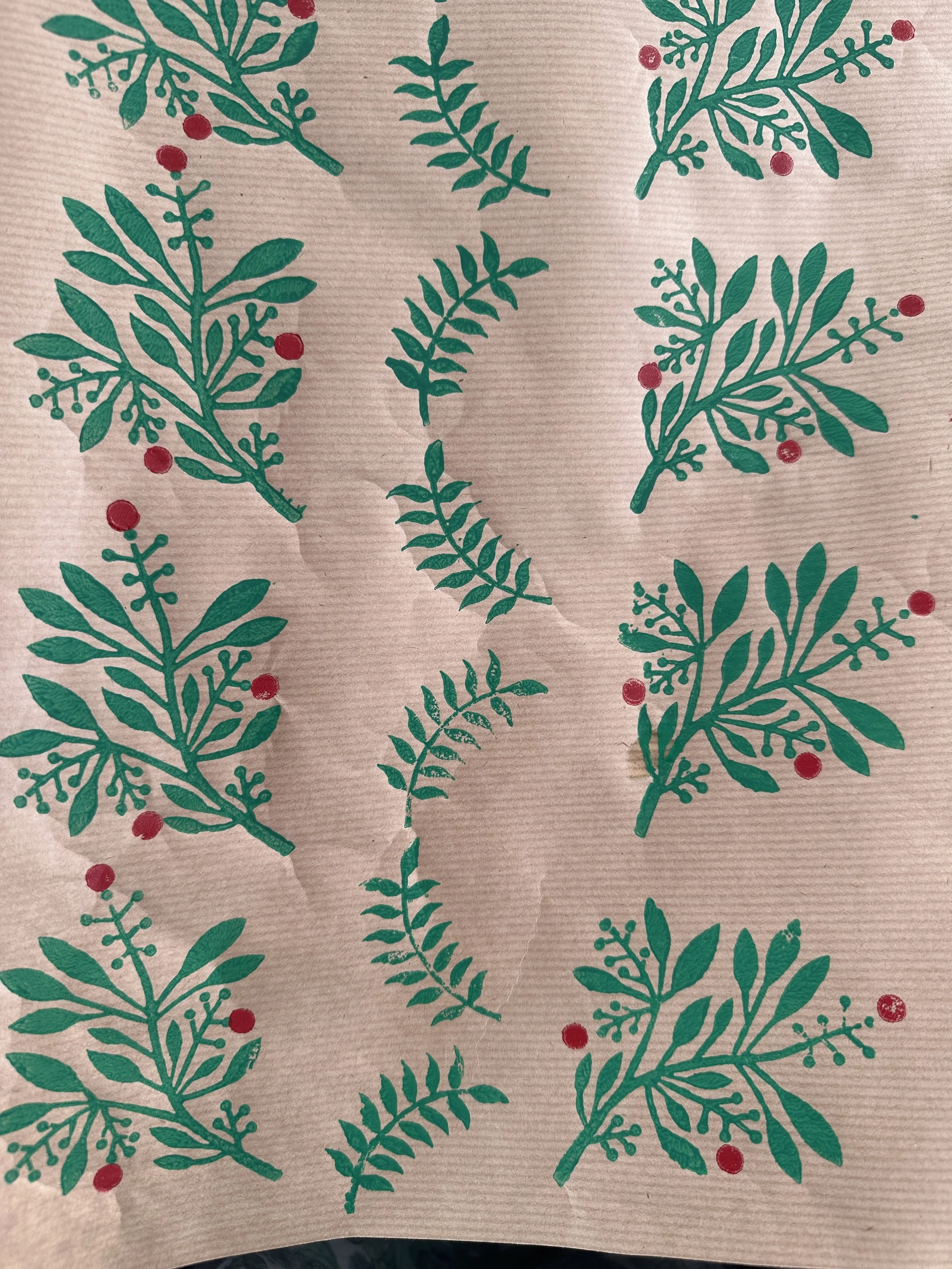
Come along for an evening to make your own Christmas wrapping materials. You can block print some wrapping paper with tags and naturally dye a drawstring bag that can be re-used year after year.
Thursday 26th November
6.30pm-8.30pm
Kentish Town City Farm, NW5 4BN
(closest transport: Gospel Oak (overground), Kentish Town (Northern line and Thameslink)
Come along for an evening to make your own Christmas wrapping materials. You can block print some wrapping paper with tags and naturally dye a drawstring bag that can be re-used year after year.
BERKHAMSTED COURSES
Tuesday 13th October
6.30pm-8.30pm
The Court House, Church Ln, Berkhamsted HP4 2AX
(Closest transport: Berkhamsted train station. Free parking available on site)
ABERGAVENNY COURSES
Saturday 26th September
10am-4pm
Llanwenarth Hall, Abergavenny, NP7 7EN
10am-4.30pm
Llanwenarth Hall, Abergavenny, NP7 7EN
Come along for a day of making your own Christmas presents and wrapping materials. You’ll be able to naturally dye a choice of a cushion cover, napkins, scarves, t-towels and tote bags made from organic cotton. In the afternoon you’ll be able to block print your own wrapping paper and tags or naturally dye drawstring bags to wrap your gifts.
Indicate in the form what you’d like to dye for your Christmas presents.
Llanwenarth Hall, Abergavenny, NP7 7EN
Situated in a beautiful setting in the Usk valley just outside Abergavenny. Close to St Peter’s Church with a near-circular churchyard which indicates that there has been a place of worship on the site since Celtic times.
Free parking available on site
Learn more
What is ecoprinting?

Previous workshops and courses
Wool skills course in London April-May 2026
Feedback
“I liked Susannah’s teaching style. She is very good at both ‘showing’ and ‘telling’, ie she does both, in a way that together with repetition, means you remember what she teaches. Highly recommend!” – Arlene
“I learned exactly what I expected to and expectations were exceeded with the style and warmth of the teaching format. Quickly felt empowered to continue independently” – Olivia
Introduction to Natural Dyeing in Berkhamsted June 2026
Feedback
“Excellent introduction to the world of natural dyeing and eco-printing. Very relaxed, informative – Susannah made the topic very accessible.” – Grainne
“A good mix of practical and explanatory material. Rooted in experience and knowledge. Very enjoyable. Practical and sociable experience.” – Amanda
Very good. Calm, relaxed with lots of humour, Thank you so much. It was an absolute pleasure. – Tasja
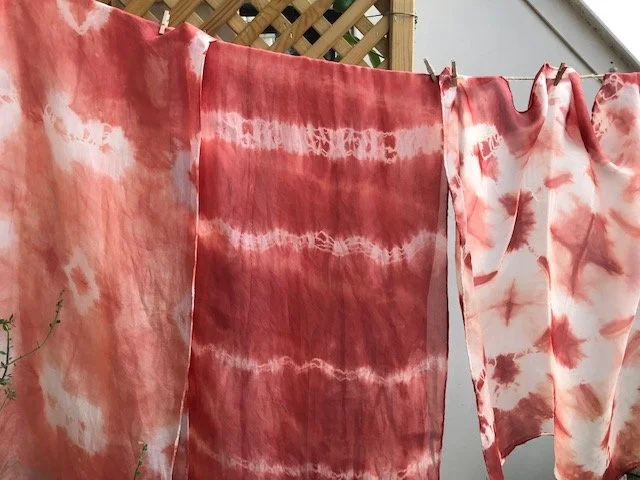

This silk scarf has been dyed with madder, a traditional plant dye that uses roots from the madder plant (Rubia tinctorum). It is a beautiful red colour
The size of the scarf is 114cm x 28cm.
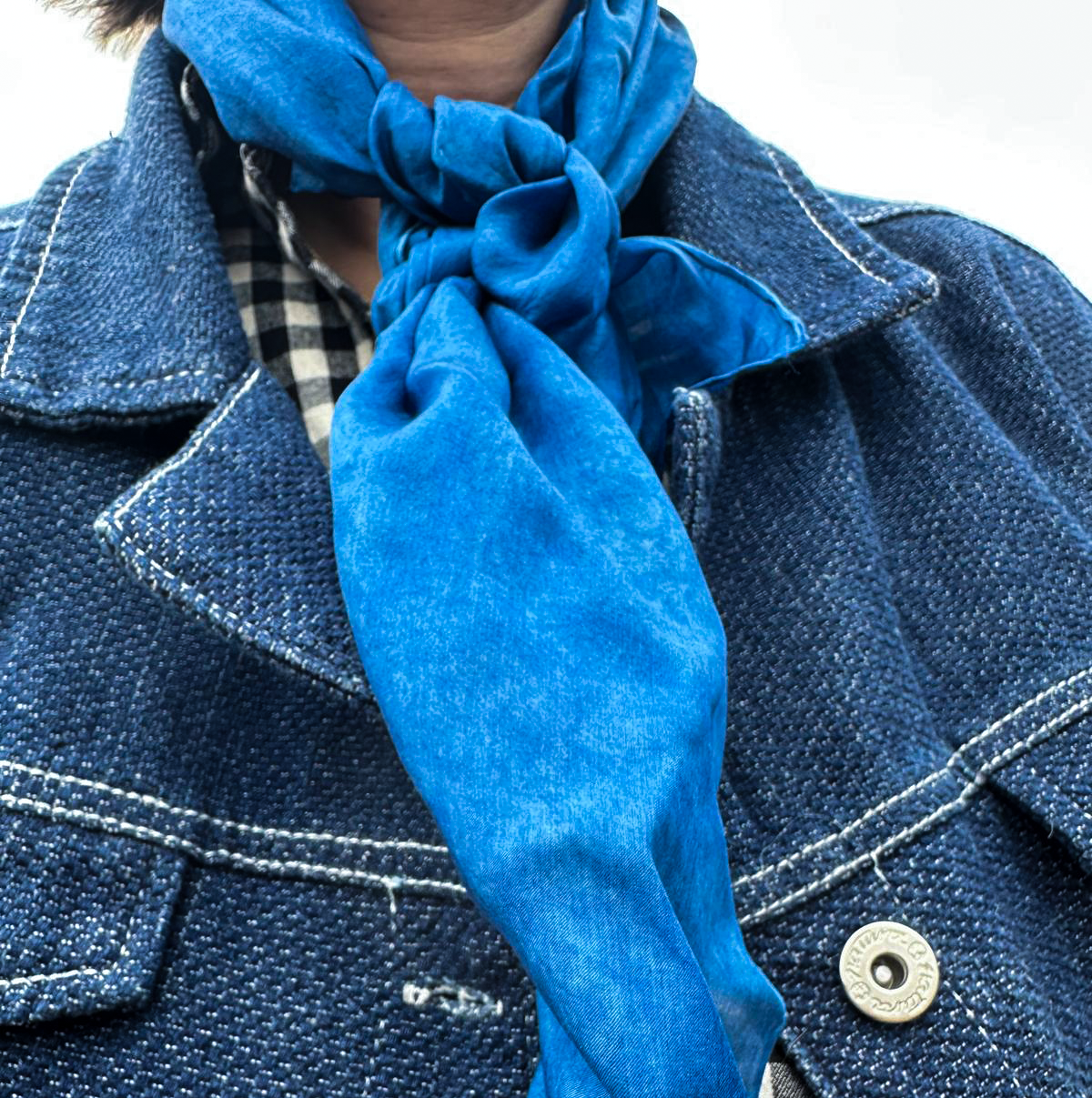
This silk scarf has been dyed with woad, a traditional plant dye that uses the leaves of the Woad plant (Isatis tinctoria).
The size of the scarf is 114cm x 28cm.
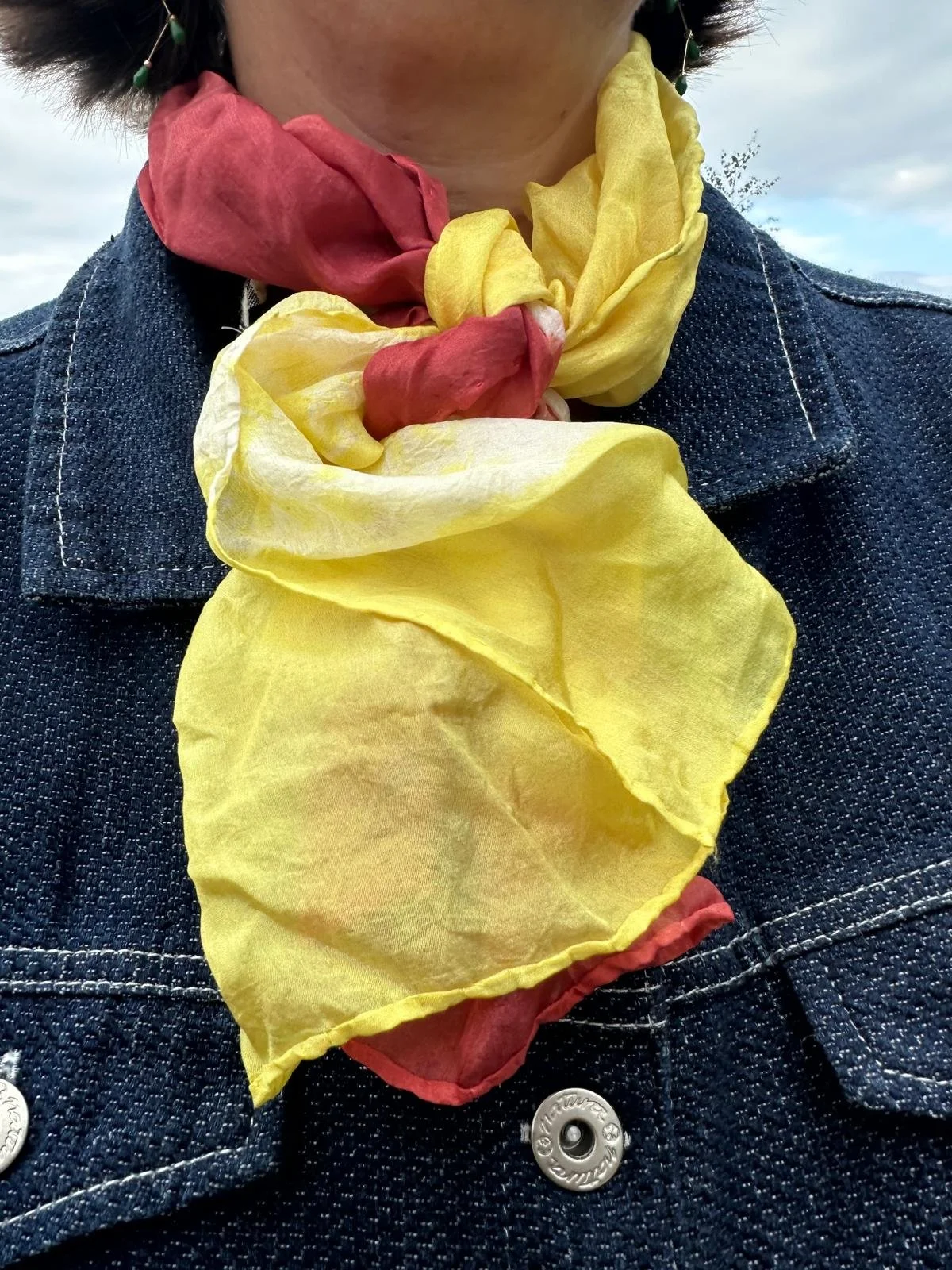
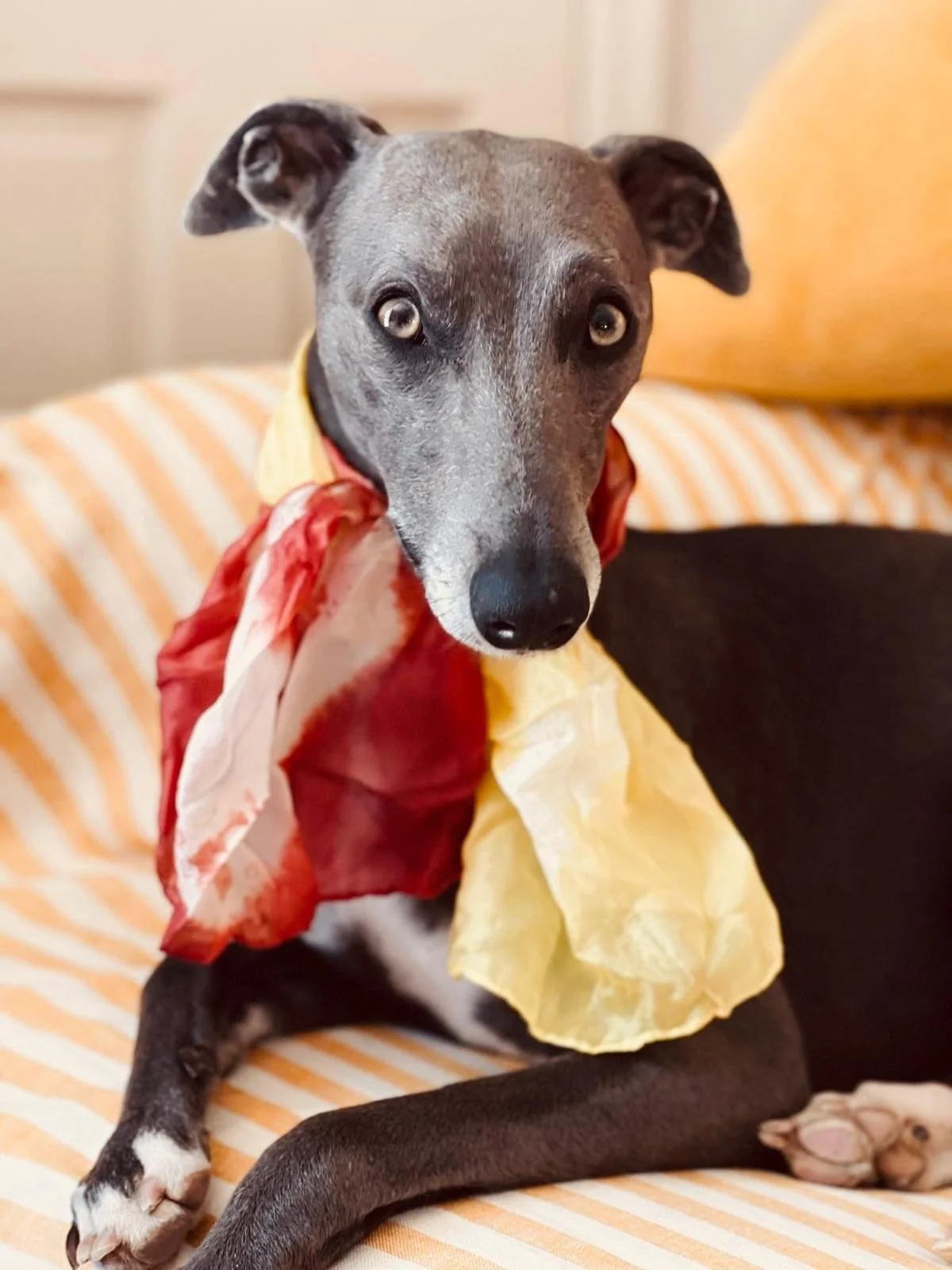
This silk scarf has been dip-dyed with madder and buddleja. Madder is the traditional red dye and buddleja’s purple flowers give a surprising yellow.
The size of the scarf is 114cm x 28cm.